Do I Need A Root Canal in Rochester, NY?
It’s not always easy to know what’s going on with your teeth, especially when discomfort comes and goes. But certain signs may point to a deeper issue, like infection or damage inside a tooth.
A root canal can be the right solution to relieve pain and protect your smile, without the stress you might expect. Knowing what to watch for and what to expect at the dentist can help you make a confident decision.
Signs that may mean you need a root canal
Tooth pain is only one clue. There are several other symptoms that might suggest it’s time to seek care.
- Ongoing sensitivity. Pain that lingers after eating or drinking hot or cold items may signal a nerve issue.
- Painful pressure. Discomfort when biting or chewing could indicate inflammation inside the tooth.
- Throbbing ache. A pulsing or steady pain in one spot may be a sign of infection.
- Gum changes. Swelling, tenderness, or a bump on the gum near a tooth can point to a problem beneath the surface.
- Darkening teeth. A tooth that looks gray or discolored might be damaged internally.
- Bad taste. A persistent bad taste in your mouth may suggest bacteria buildup from an infection.
These symptoms don’t always mean a root canal is required, but they do mean a visit to your dentist is important.
What the dentist will do during your visit
A supportive dental team can make sure you feel calm, informed, and cared for during your evaluation.
- Listen to your concerns. You’ll have time to explain your symptoms and ask questions.
- Check carefully. The dentist will examine your tooth and take x-rays to understand the issue.
- Explain clearly. You’ll get a straightforward explanation of what’s happening and what your options are.
- Recommend treatment. If a root canal is needed, they’ll explain the process in simple terms.
- Help you feel at ease. The dental team will guide you through each step so you’re never left wondering what comes next.
Understanding the process makes the experience much less intimidating.
What happens during a root canal
If you do need a root canal, today’s techniques are more comfortable and efficient than ever.
- Numbing the area. Your comfort is a priority, and local anesthesia ensures a great visit.
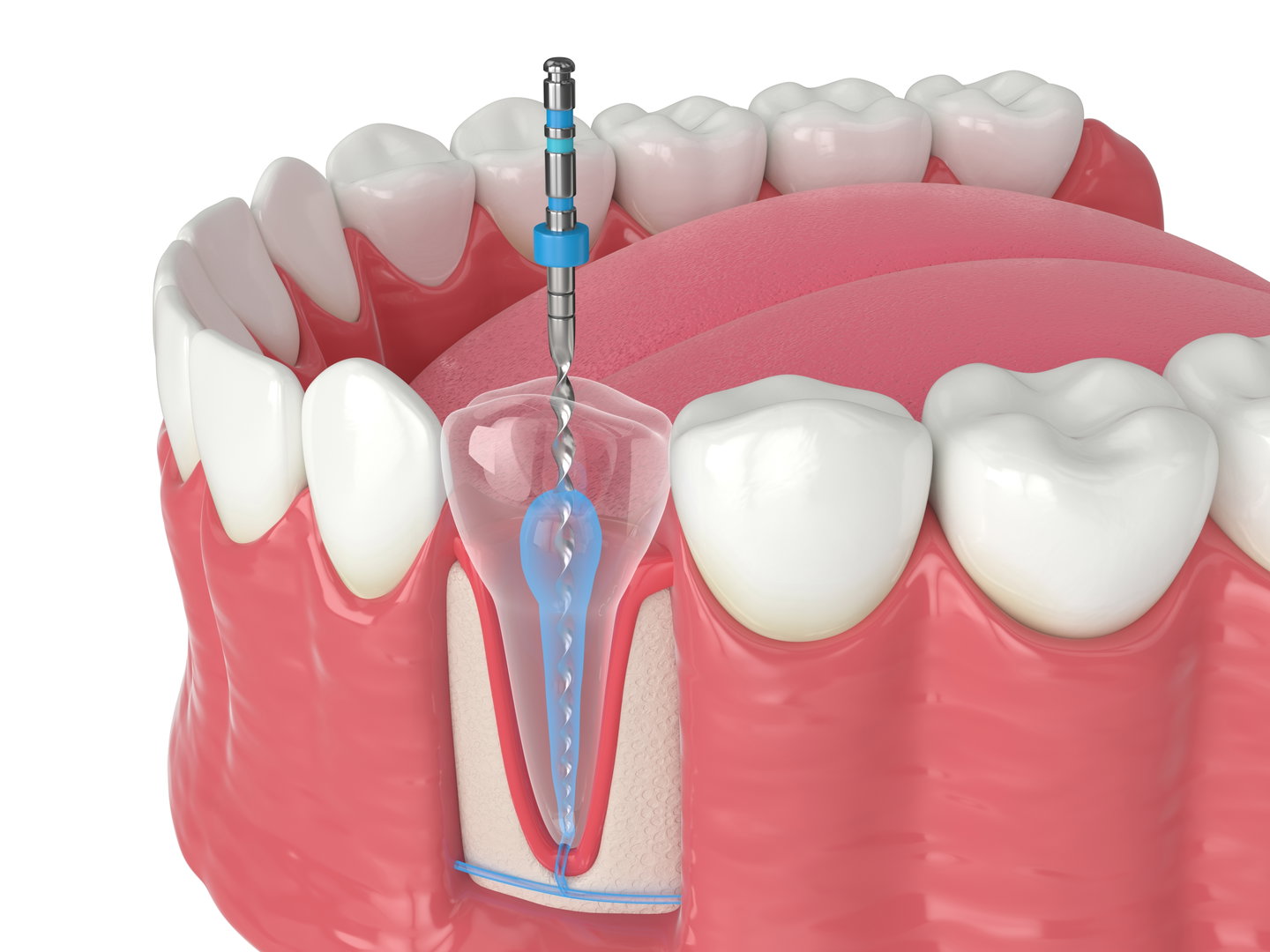
- Removing infection. The dentist gently removes infected tissue inside the tooth.
- Cleaning and sealing. The inside of the tooth is cleaned and sealed to prevent future problems.
- Restoring the tooth. A crown or other restoration will protect the tooth and return it to full function.
- Follow-up guidance. You’ll leave with clear instructions for recovery and peace of mind.
Acting early can stop a small problem from becoming a big one.
We’re here to help protect your smile
You don’t have to figure this out alone. If you’re having pain or other symptoms, our dental team is ready to help. We’ll evaluate your situation, answer your questions, and walk you through every step. Call today to schedule your appointment.